What to Know About the A2L Refrigerant Transition?

Preparing for the Transition to A2L Refrigerants

The HVAC industry is undergoing its most significant transition in recent history. And it’s not just another regulatory update; it’s a fundamental transformation driven by environmental concerns and the global push to reduce greenhouse gas emissions. The shift to A2L refrigerants is now in effect in several states, thanks to the EPA’s final rule on hydrofluorocarbons (HFCs). Understanding A2L refrigerants has become essential for anyone involved in HVAC systems. Let’s explore this game-changing shift and how to prepare for it.

What Does This Transition Mean?

While traditional hydrofluorocarbon (HFC) refrigerants are effective for cooling applications, they have been identified as significant contributors to global warming due to their high Global Warming Potential (GWP). As part of international agreements and domestic regulations, including the American Innovation and Manufacturing (AIM) Act, these high-GWP refrigerants are being phased out.

The A2L refrigerants offer substantially lower GWP values than their predecessors. They maintain efficient cooling performance with GWP values 50-75% lower. This is also why they are the leading replacement option and a crucial tool in the industry’s efforts to reduce greenhouse gas emissions. 

The transition is a fundamental shift towards more sustainable cooling solutions that combat climate change.  Although it may require an adaptation in terms of equipment design, safety protocols, and handling procedures, this will help protect our environment for future generations.

Benefits of A2L Refrigerants

save money The reduction in environmental impact helps organizations meet increasingly stringent environmental regulations. For instance, R-32 (A2L refrigerant) has a GWP of 675, while an R-410A has 2,088.

The A2L refrigerants typically provide better heat transfer capabilities and require less refrigerant charge. They also demonstrate superior thermodynamic properties that translate into improved system performance and reduced operating costs.

The improved energy efficiency not only achieves the same cooling capacity with less energy consumption but also further decreases the overall carbon footprint of HVAC systems

Additionally, A2L refrigerants’ excellent heat transfer properties provide greater flexibility in installation due to their compact system designs and potentially reducing equipment costs.

Important Dates for the Phase-Out
hvac The transition to A2L refrigerants follows a structured timeline established by the Environmental Protection Agency (EPA) under the American Innovation and Manufacturing (AIM) Act. As of January 1, 2024, manufacturers must cease production and import of new residential and light commercial air conditioning equipment using traditional high-GWP refrigerants like R-410A. This marks a critical shift in HVAC manufacturing, as all new systems must be designed to utilize A2L refrigerants or other approved low-GWP alternatives.

While the manufacturing deadline is clear, installation requirements follow a different schedule. Contractors can continue installing existing inventory of R-410A systems throughout 2024 and beyond, as there is no immediate ban on installing previously manufactured equipment. However, as the inventory of traditional systems diminishes, the market will naturally transition to A2L-based systems. California has taken a more aggressive approach, with the California Air Resources Board (CARB) requiring all new HVAC installations to use refrigerants with a GWP of less than 750 starting January 1, 2025, effectively mandating A2L adoption ahead of other states.

About 1st Choice Heating & Cooling

1st Choice Heating & Cooling is a trustworthy Heating & Air Conditioning company in Waukesha, WI. They offer 24-hour services, free estimates, and straightforward prices. Call them for cooling services in the greater Milwaukee area.

The HVAC Industry’s Transition to A2L Refrigerants: What You Need to Know

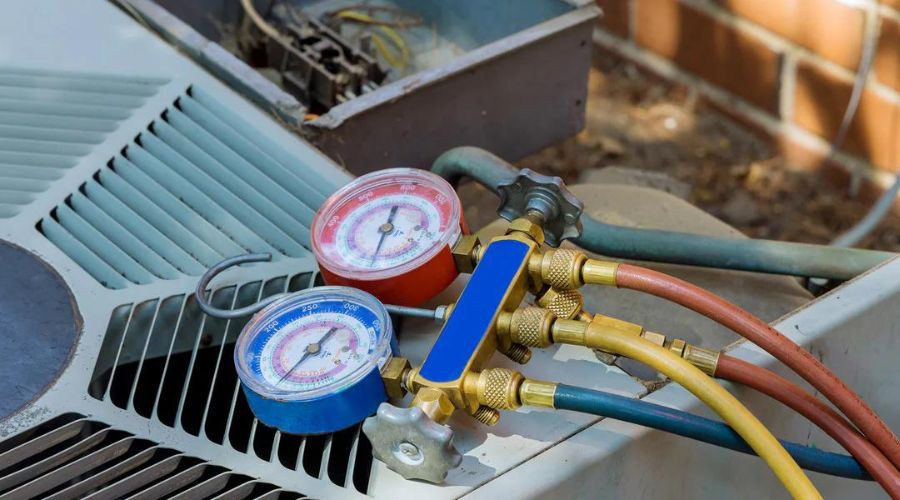
ac unit with pressure gauges

As the world intensifies efforts to combat climate change, the HVAC industry is undergoing a significant transformation. Central to this change is the shift from high Global Warming Potential (GWP) refrigerants to more environmentally friendly alternatives known as A2L refrigerants. This article outlines the key aspects of this transition, including important dates, the specific refrigerants involved, the implications for safety and regulations, and the expected impact on equipment costs.

Why the Shift to A2L Refrigerants?

Hydrofluorocarbon (HFC) refrigerants, commonly used in air conditioning and refrigeration systems, have been identified as potent greenhouse gases. Their high GWP contributes significantly to global warming. To address this issue, the Environmental Protection Agency (EPA) has mandated a phasedown in the production and consumption of HFC refrigerants.

A2L refrigerants offer a lower GWP compared to traditional HFCs. By transitioning to these alternatives, the HVAC industry aims to reduce its environmental impact while maintaining system efficiency.

Key Transition Dates

  • January 1, 2025: The EPA has set this date as the deadline for all new residential and light commercial air conditioners and heat pumps to use A2L refrigerants. This means that any new equipment manufactured after this date must comply with the new standards.

The Role of R-454B and R-32

R-454B (Puron Advance)

  • What is it? R-454B, commercially known as Puron Advance, is the A2L refrigerant that most companies have chosen as the replacement for the current standard, R-410A (Puron).
  • Why R-454B? It offers a significant reduction in GWP while providing similar performance characteristics to R-410A. This makes the transition smoother for manufacturers and service technicians.

R-32

  • What is it? R-32 is another A2L refrigerant gaining popularity in the industry.
  • Why R-32? It has a lower GWP than R-410A and offers high energy efficiency. Some manufacturers may opt for R-32 based on its favorable thermodynamic properties.

Implications of the Transition

Phasedown of High-GWP HFCs

The production of high-GWP HFC refrigerants will decrease, leading to reduced availability and potentially higher costs for these substances. This encourages the adoption of A2L refrigerants.

Increased Equipment Costs

One significant impact of the transition is the expected increase in equipment prices—up to 30% in some cases. This cost hike is primarily due to the need for Release Detection Systems (RDS) in new HVAC units. These systems are essential for detecting refrigerant leaks promptly, addressing the increased flammability risks associated with A2L refrigerants.

  • Why RDS? Given the mild flammability of A2L refrigerants, early detection of leaks is crucial to prevent potential safety hazards.
  • Cost Implications: The integration of RDS technology into HVAC systems involves additional components and more complex system designs, contributing to higher manufacturing costs that are passed on to consumers.

Retrofit Requirements

In addition to new installations, RDS will need to be added to existing systems that lack them if only the air conditioner or heat pump is being replaced. This means that even if the rest of the HVAC system remains unchanged, the new A2L-compliant equipment must be integrated with an RDS to ensure safety compliance.

  • Impact on Replacement Projects: Homeowners and businesses planning to replace their air conditioners or heat pumps should be aware that additional modifications may be necessary, potentially increasing the overall project cost.
  • Installation Considerations: Technicians will need to assess existing systems and install RDS where absent, ensuring compatibility and compliance with safety regulations.

New Regulations

The transition comes with updated regulations to ensure safety and compliance. Technicians and companies must stay informed about:

  • Building Codes: Adjustments to accommodate the safe use of mildly flammable refrigerants.
  • Safety Standards: Compliance with standards like UL 60335-2-40 for equipment design and operation.

Leak Mitigation Strategies

Due to their mild flammability, A2L refrigerants require careful leak detection and mitigation:

  • System Design: Enhanced to minimize leak potential.
  • Maintenance Protocols: Regular checks and prompt repairs are crucial.
  • Release Detection Systems (RDS): Mandatory installation in new equipment and required additions to existing systems lacking RDS during equipment replacement.

“Risk of Fire” Labels

All A2L refrigerant line sets will feature “Risk of Fire” labels to alert technicians and users about the mild flammability risks. Proper training in handling and storage is essential.

Safety Considerations

While A2L refrigerants like R-454B and R-32 are mildly flammable, they pose a lower flammability risk compared to substances like propane or natural gas. Safety measures include:

  • Proper Handling Techniques: Training for technicians on safe storage, transportation, and usage.
  • Ventilation Requirements: Ensuring adequate airflow in areas where refrigerants are used or stored.
  • Emergency Procedures: Clear protocols in case of leaks or exposure.
  • Release Detection Systems (RDS): Essential for early detection of leaks, minimizing the risk of ignition.

Preparing for the Transition

For Consumers

  • Anticipate Higher Costs: Be prepared for an increase in HVAC equipment prices due to the integration of RDS and other safety features, especially when replacing components in existing systems.
  • System Assessment: Before replacing an air conditioner or heat pump, have a professional evaluate your existing system to determine if additional modifications are needed.
  • Long-Term Savings: Despite higher upfront costs, A2L refrigerants offer improved energy efficiency, which can lead to savings on energy bills over time.
  • Environmental Impact: Using equipment with A2L refrigerants contributes to reducing greenhouse gas emissions.

For Technicians and Contractors

  • Training: Invest in training programs to become proficient in handling A2L refrigerants and understanding the operation of RDS.
  • Compliance: Stay updated on the latest regulations and safety standards to ensure all installations meet legal requirements.
  • System Integration: Develop expertise in retrofitting existing systems with RDS during equipment replacements.
  • Customer Education: Help clients understand the benefits and implications of the transition, including cost considerations and safety measures.

Conclusion

The shift to A2L refrigerants represents a significant step in reducing the HVAC industry’s environmental footprint. By embracing refrigerants like R-454B (Puron Advance) and R-32, the industry moves toward more sustainable practices without compromising performance. However, this transition comes with challenges, including increased equipment costs due to the mandatory installation of Release Detection Systems, even in existing systems when replacing components like air conditioners or heat pumps. As the January 1, 2025, deadline approaches, staying informed and prepared is crucial for a smooth and safe transition.

Distribution Links +