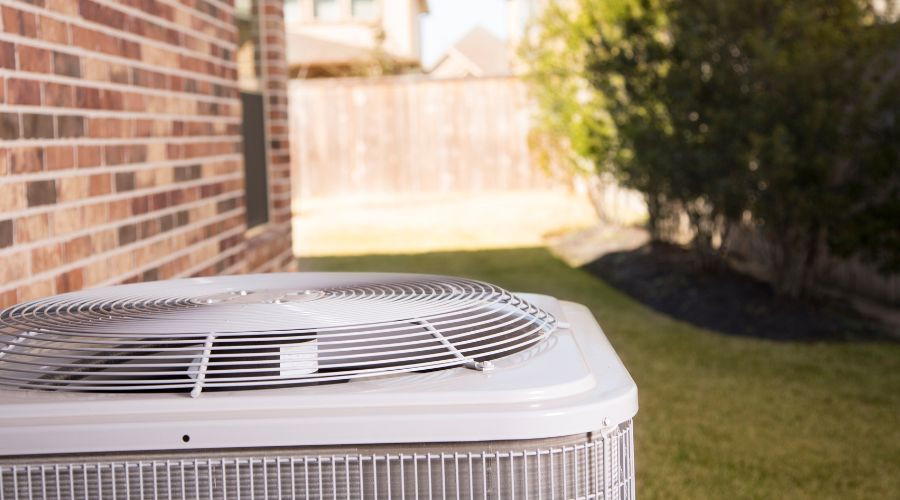
The Benefits of Hiring a Locally Owned and Operated Heating and Cooling Company

Why Choose a Locally Owned Heating and Cooling Company Over a Private Equity-Backed Company?

Heating and air conditioning systems are necessary for maintaining comfort in homes, yet the choice of service provider can significantly impact the overall experience. When homeowners consider hiring professionals for heating or AC services, they may find that locally owned and operated companies offer distinct advantages over private equity-backed firms.

These local businesses often prioritize customer relationships, community involvement, personalized service, and understand the unique needs of the area, ensuring a higher level of satisfaction. In contrast, private equity-backed companies may prioritize profits over customer service, and their operations might be influenced by out-of-state decision makers. This blog post explores the benefits of choosing a local heating and cooling expert rather than a larger, impersonal entity.

Personalized Customer Service and Satisfaction

Operated by local experts who understand the area’s climate and specific requirements, locally owned companies often provide a level of personalized customer service that larger corporations may lack. They tend to invest time in understanding their clients’ heating and cooling needs, offering tailored solutions that larger companies might overlook. This personal touch fosters trust and reliability, making it easier for homeowners to communicate their concerns and preferences.

Local companies also often customize their offerings to meet specific community needs, providing a personalized approach that larger, private equity-backed firms may overlook. With their deep roots in the area, they understand specific regional challenges better, resulting in increased customer satisfaction and loyalty.

Community Engagement and Support

Behind many locally owned heating and cooling companies is a deep commitment to community involvement. These businesses frequently participate in local events, sponsor youth sports teams, and contribute to charity drives, reinforcing their connection to the neighborhoods they serve. This support benefits the community itself.

Further emphasizing their commitment, local companies often reinvest their profits into the community, creating jobs, stimulating economic growth, and enhancing local services. This engagement builds trust and rapport with residents, who are more likely to choose service providers who demonstrate a genuine interest in their well-being. Moreover, these companies are usually more responsive to community needs and can quickly adapt to changes, creating a symbiotic relationship marked by mutual growth and respect.

Reputation and Trustworthiness

Reputation plays a vital role in the choice between a locally owned heating and cooling company and a private equity-backed firm. Locally owned companies often rely on their good standing within the community to attract and retain customers. They build trust through consistent service delivery, positive word-of-mouth, and hands-on involvement in local projects, which fosters a sense of reliability among clients.

Long-Term Relationships and Loyalty

Many individuals find that choosing a locally owned and operated heating and cooling company fosters stronger long-term relationships. These companies often prioritize customer satisfaction, as they rely heavily on local referrals and repeat business. This local presence allows technicians to gain familiarity with the specific needs of the community, resulting in personalized service that builds loyalty over time.

Responsiveness and Accountability

At locally owned heating and cooling companies, responsiveness is often a hallmark of their operations. They are usually quick to address customer concerns due to their commitment to community engagement and reputation preservation. This level of attentiveness ensures that customers feel valued and heard, leading to improved overall satisfaction with the services provided.

In addition, local companies are more likely to be accountable for their work. They recognize that their business relies heavily on community trust and often go the extra mile to resolve issues promptly. With a vested interest in their customers’ well-being, these companies typically respond faster to service requests and complaints, ensuring that they maintain a positive relationship with their clientele while upholding high standards of service. This direct line of communication with local homeowners fosters a sense of reliability that larger, private equity-backed firms may struggle to replicate.

Cost Considerations

Now, cost considerations significantly impact the decision when choosing between a locally owned heating and cooling company and one backed by private equity. Local companies often have lower overhead expenses, allowing them to offer competitive pricing and flexible payment options. In contrast, private equity-backed firms may impose higher prices to meet investor expectations, potentially leading to inflated service costs that do not align with local market rates.

Around many local heating and cooling companies, pricing structures typically reflect the community’s economic realities. These companies often provide transparent pricing without hidden fees, ensuring clients understand what they pay for each service. In contrast, private equity firms may adopt more complex pricing models, leading to unexpected costs during installation or maintenance.

About 1st Choice Heating & Cooling

1st Choice Heating & Cooling is a local heating and air conditioning company serving the Waukesha and Muskego areas. They provide straightforward pricing, 24-hour services, and a satisfaction guarantee. Call them for heating or air conditioning services in Muskego, WI.

Distribution Links +

A Guide to Air Conditioner Replacement

Important AC Replacement Basics to Know

High energy bills and unreliable cooling can be incredibly frustrating. Understanding air conditioner replacement fundamentals saves time, money, and potential headaches down the road. This guide to air conditioner replacement offers expert tips on AC installation and affordable HVAC solutions. It provides actionable strategies to boost home comfort and reliability, outlining a simple, step-by-step path to a cooler, more comfortable space.

Signs to Replace an Air Conditioner

Recognizing when an air conditioner needs replacement can prevent unexpected breakdowns during hot summer days. Most AC units show clear warning signals before complete failure. These indicators help homeowners make timely decisions about HVAC system upgrades.

One of the most reliable signs that an air conditioner replacement is necessary is the age of the unit. If a cooling system is over 10 years old, it is approaching the end of its useful lifespan. Modern units last longer. However, even well-maintained systems eventually lose efficiency, delivering less cooling power while consuming more electricity. Gradual declines in performance often go unnoticed until energy bills spike dramatically.

Unexplained increases in monthly energy bills often suggest an AC unit has become inefficient. Older cooling systems typically operate at 60-70% efficiency compared to newer models that achieve 90% or higher, according to Energy Star data. Additionally, frequent repairs signal that replacement is needed. When repair costs exceed 50% of the price of a new unit, replacement is the more economical choice. Other telltale indicators include unusual noises during operation, inconsistent cooling throughout the home, and excessive humidity despite regular AC use. These comfort issues rarely improve with simple maintenance when the system has fundamentally deteriorated.

Advantages of Replacing an Old AC Unit

save money Replacing an outdated air conditioning system with a new unit provides numerous advantages that impact both comfort and finances. Modern AC units operate at significantly higher efficiency levels than older models, immediately reducing monthly energy consumption. The difference can be striking. According to the U.S. Department of Energy, upgrading to an energy-efficient air conditioner can reduce cooling costs by 20-40% depending on the age and condition of the current system.

Lower utility bills are just the beginning of the savings journey. New AC installations require far fewer repairs during their first 5-10 years of operation compared to maintaining an aging system. Rather than facing unexpected repair costs every cooling season, reliable performance can be expected with just routine maintenance. Additionally, newer models operate more quietly and maintain more consistent temperatures throughout the home, eliminating hot and cold spots that plague outdated systems.

A new air conditioner might also improve the home’s air quality. Modern units feature advanced filtration systems that remove more airborne particles, allergens, and pollutants than older models. This enhanced filtration capability creates healthier indoor air. Another significant advantage of replacement is the opportunity to properly size the system. Many homes operate with incorrectly sized units that waste energy and deliver poor performance. A professional HVAC technician can perform a proper load calculation during replacement, ensuring the new system perfectly matches the home’s specific cooling requirements.

Choosing a Type of AC System

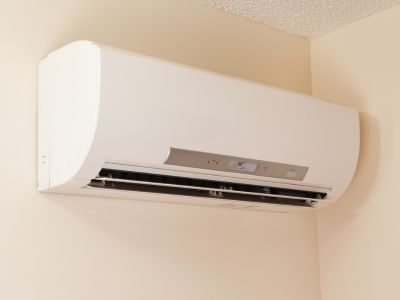
acWhen facing an air conditioner replacement decision, choosing between a ductless mini-split system and a traditional central AC system is crucial. This selection represents one of the most significant HVAC investments for any home. The right choice depends on the specific circumstances, with existing home infrastructure playing a major role in this decision.

Ductless mini-split systems offer remarkable flexibility for homes without existing ductwork. These energy-efficient solutions allow for zoned temperature control, meaning individual rooms can be cooled independently. According to Energy Star data, homeowners can save up to 30% on cooling costs compared to conventional units. Installation is typically less invasive than central systems. Mini-splits are ideal for older homes, additions, or converted spaces where installing ductwork would be prohibitively expensive.

Central air conditioning systems, however, remain the gold standard for whole-home cooling in properties with existing ductwork. Unlike mini-splits, central AC integrates seamlessly with the home’s ventilation system to deliver consistent comfort throughout the living space. Central systems generally have lower maintenance costs over time but require professional servicing. The initial installation investment might be higher, but for larger homes with existing ducts, central AC often provides the most cost-effective cooling solution per square foot.

When considering air conditioner replacement options, understanding the cost and efficiency tradeoffs between central air systems and ductless mini-splits is essential. Central air conditioning systems typically offer a lower initial installation cost, making them appealing for those with budget constraints. These systems integrate seamlessly with existing ductwork in the home. However, traditional cooling systems generally consume more energy over time, resulting in higher monthly utility bills during peak cooling seasons.

Ductless mini-split systems, on the other hand, provide superior energy efficiency for home cooling needs. These innovative solutions operate with precision by targeting specific zones rather than cooling the entire house uniformly. Mini-splits achieve impressive SEER ratings (Seasonal Energy Efficiency Ratio) that often exceed those of central systems by 30% or more, according to Energy Star data. The absence of ductwork eliminates the energy losses common in central systems, where cooled air can leak through duct joints and connections.

The primary drawback of mini-splits is the higher upfront investment. Installation costs for mini-split systems typically range from $3,000-$7,000 depending on the number of zones needed, compared to $2,500-$5,000 for central air replacements in homes with existing ductwork. Nevertheless, the long-term energy savings often offset this initial price difference within 5-7 years. For those planning to stay in a property long-term or particularly concerned about monthly operating costs, mini-splits present a compelling value proposition despite the steeper initial investment.

About 1st Choice Heating & Cooling

1st Choice Heating & Cooling is a quality air conditioning, heating, and installation service provider in Waukesha & Milwaukee. They offer free estimates on system replacements, 24-hour service, and straightforward pricing. Call them for air conditioning installations and replacements in Muskego, WI.

Enhance Health by Improving Indoor Air Quality

Ways to Improve Air Quality in a Home and Breathe Easier This Spring

Spring cleaning takes on a new meaning when the focus shifts to improving indoor air quality. Poor ventilation and accumulated allergens can have a significant impact on respiratory health. Tackling hidden pollutants that affect overall well-being is essential. If indoor allergens and stale air are a concern, expert advice can provide fast relief and renewed energy. The following actionable tips offer a path to healthier, happier living.

Maintenance and Air Filter Replacement

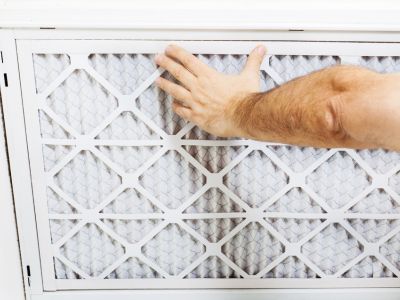
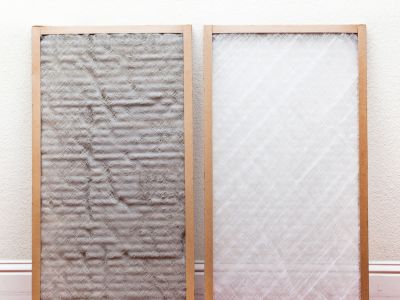
air filter Replacing air filters in the home when they become dirty delivers multiple benefits for indoor air quality and overall health. Clean filters trap airborne particles more effectively, preventing dust, pollen, and other allergens from circulating throughout living spaces. This simple maintenance task takes only minutes but significantly improves the breathing environment.

Many homeowners underestimate how quickly filters can become clogged. Dirty air filters force HVAC systems to work harder, increasing energy consumption by up to 15%, according to the U.S. Department of Energy. This unnecessary strain not only raises utility bills but also shortens equipment lifespan. Furthermore, when filters become clogged, they cease to capture harmful particles, which could lead to increased allergy symptoms or more dust on surfaces. If symptoms or dust buildup have become noticeable, it may be time for a filter replacement.

For households with respiratory conditions or allergies, replacing filters more frequently than the manufacturer recommendations can provide substantial relief. While most standard filters suggest replacement every 90 days, households with pets, children, or allergy sufferers benefit from monthly changes, especially during high pollen seasons. Using higher-quality MERV-rated filters also enhances particle capture. The investment in premium filters yields dividends through improved respiratory health and reduced medication needs. Clean filters work more effectively in maintaining clean air.

Regular maintenance of heating and air conditioning systems directly impacts indoor air quality while delivering significant cost benefits. Most homeowners overlook this crucial aspect of home care until something breaks down. Professional HVAC servicing removes accumulated dust, pollen, and microbial growth that would otherwise circulate throughout living spaces. A clean system operates more efficiently. Scheduling annual HVAC maintenance creates a triple advantage. First, properly maintained systems operate 15-20% more efficiently, according to Energy Star, resulting in lower monthly utility bills. Second, routine inspections catch small issues before they become expensive repairs. Third, technicians replace dirty filters and clean components that would otherwise distribute allergens and pollutants throughout the home, significantly improving respiratory health.

The maintenance process is straightforward and comprehensive. During a typical service visit, professionals will clean or replace air filters to remove trapped particles, check refrigerant levels for optimal performance, clean coils and drain lines where mold often develops, and inspect ductwork for leaks that compromise air quality. Beyond immediate benefits, well-maintained HVAC systems typically last 5-7 years longer than neglected units. This extended lifespan represents significant savings while ensuring a consistently healthy indoor environment year-round. Preventive measures like this benefit both respiratory health and finances.

Whole Home Air Cleaners, Purifiers, and Filtration Systems

Installing whole-home air cleaners or filtration systems significantly improves indoor air quality by removing pollutants throughout the entire living space. Unlike portable units that clean only one room, these integrated systems work with the existing HVAC to purify every cubic foot of air circulating within the home. They efficiently trap airborne particles. According to research from the Environmental Protection Agency, whole-home air purifiers can reduce indoor particulate matter by up to 85% when properly maintained. The health benefits of whole-home air filtration extend far beyond basic dust removal.

These systems capture allergens, bacteria, volatile organic compounds (VOCs), and even viruses that portable units might miss. They operate silently in the background. Residents with respiratory conditions like asthma or allergies often report significant symptom reduction after installation. A Johns Hopkins study confirmed a 30% decrease in respiratory-related doctor visits among families with whole-home purification systems.

What makes these systems particularly valuable is their comprehensive approach to air quality management. Rather than treating the symptoms of poor air quality, they address the root cause by continuously filtering the air throughout the home. The best systems combine multiple purification technologies—HEPA filtration, UV germicidal treatment, and activated carbon absorption—to target various types of contaminants. This multi-layered approach ensures cleaner air circulation in every room. With Americans spending approximately 90% of their time indoors, investing in whole-home air purification represents one of the most impactful environmental health improvements possible.

Clean and Maintain Air Ducts

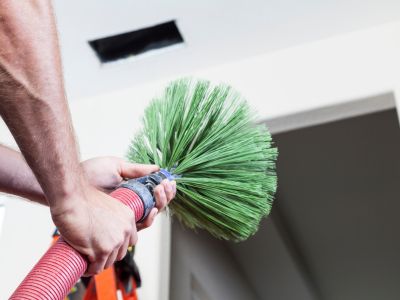
air ducts The home’s ductwork functions like the respiratory system for the living space, circulating air throughout every room. Regular duct cleaning and inspection are vital for maintaining healthy indoor air quality, which directly impacts the air breathed daily. Neglected ducts can harbor contaminants that continuously recirculate through the home. Professional duct maintenance typically removes several pounds of dust and debris from the average system. Over time, HVAC system air passages accumulate dust, pet dander, pollen, mold spores, and even bacteria that can trigger respiratory issues and allergic reactions.

According to the National Air Duct Cleaners Association, a six-room house collects up to 40 pounds of dust annually, much of which cycles through ductwork. Professional cleaning removes these pollutants, preventing them from being distributed throughout the living spaces.

Beyond improving air quality, clean ductwork enhances system efficiency and longevity. Dust-free ducts allow air to flow unimpeded, reducing strain on HVAC equipment and potentially lowering energy bills by 5-15%. Additionally, regular inspections can identify potential problems like leaks, disconnected sections, or moisture issues before they escalate into costly repairs. Scheduling professional duct maintenance every 3-5 years helps maintain optimal airflow while ensuring the air circulating through the home remains as clean as possible. Regular duct care supports overall respiratory health.

About 1st Choice Heating & Cooling

1st Choice Heating & Cooling is a trustworthy HVAC company serving Muskego, WI, area and beyond. They offer 24-hour service, free estimates, and straightforward pricing. Call them for indoor air quality services in Muskego, WI.

What to Know About the A2L Refrigerant Transition?

Preparing for the Transition to A2L Refrigerants

The HVAC industry is undergoing its most significant transition in recent history. And it’s not just another regulatory update; it’s a fundamental transformation driven by environmental concerns and the global push to reduce greenhouse gas emissions. The shift to A2L refrigerants is now in effect in several states, thanks to the EPA’s final rule on hydrofluorocarbons (HFCs). Understanding A2L refrigerants has become essential for anyone involved in HVAC systems. Let’s explore this game-changing shift and how to prepare for it.

What Does This Transition Mean?

While traditional hydrofluorocarbon (HFC) refrigerants are effective for cooling applications, they have been identified as significant contributors to global warming due to their high Global Warming Potential (GWP). As part of international agreements and domestic regulations, including the American Innovation and Manufacturing (AIM) Act, these high-GWP refrigerants are being phased out.

The A2L refrigerants offer substantially lower GWP values than their predecessors. They maintain efficient cooling performance with GWP values 50-75% lower. This is also why they are the leading replacement option and a crucial tool in the industry’s efforts to reduce greenhouse gas emissions. 

The transition is a fundamental shift towards more sustainable cooling solutions that combat climate change.  Although it may require an adaptation in terms of equipment design, safety protocols, and handling procedures, this will help protect our environment for future generations.

Benefits of A2L Refrigerants

save money The reduction in environmental impact helps organizations meet increasingly stringent environmental regulations. For instance, R-32 (A2L refrigerant) has a GWP of 675, while an R-410A has 2,088.
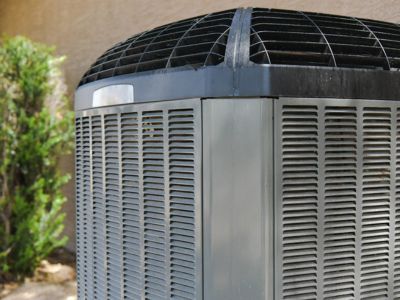
The A2L refrigerants typically provide better heat transfer capabilities and require less refrigerant charge. They also demonstrate superior thermodynamic properties that translate into improved system performance and reduced operating costs.

The improved energy efficiency not only achieves the same cooling capacity with less energy consumption but also further decreases the overall carbon footprint of HVAC systems

Additionally, A2L refrigerants’ excellent heat transfer properties provide greater flexibility in installation due to their compact system designs and potentially reducing equipment costs.

Important Dates for the Phase-Out

hvac The transition to A2L refrigerants follows a structured timeline established by the Environmental Protection Agency (EPA) under the American Innovation and Manufacturing (AIM) Act. As of January 1, 2024, manufacturers must cease production and import of new residential and light commercial air conditioning equipment using traditional high-GWP refrigerants like R-410A. This marks a critical shift in HVAC manufacturing, as all new systems must be designed to utilize A2L refrigerants or other approved low-GWP alternatives.

While the manufacturing deadline is clear, installation requirements follow a different schedule. Contractors can continue installing existing inventory of R-410A systems throughout 2024 and beyond, as there is no immediate ban on installing previously manufactured equipment. However, as the inventory of traditional systems diminishes, the market will naturally transition to A2L-based systems. California has taken a more aggressive approach, with the California Air Resources Board (CARB) requiring all new HVAC installations to use refrigerants with a GWP of less than 750 starting January 1, 2025, effectively mandating A2L adoption ahead of other states.

About 1st Choice Heating & Cooling

1st Choice Heating & Cooling is a trustworthy Heating & Air Conditioning company in Waukesha, WI. They offer 24-hour services, free estimates, and straightforward prices. Call them for cooling services in the greater Milwaukee area.

Heat Pumps: Why They Are Essential

Heat Pump Basics Homeowners Should Know

Homeowners rely on furnaces to keep their houses warm and comfortable all winter and their air conditioners to keep cool all summer. Although it is a necessity, it can be expensive to run an HVAC system for most of the year.

A simple and effective way to save energy and money is to install a heat pump. In this post, heating contractors in Waukesha, WI, explain what heat pumps are, their benefits, and important signs that indicate when repairs may be needed.

Heat Pumps 101

A heat pump is an energy-efficient system that can heat and cool a home. Unlike traditional HVAC systems that generate heat, heat pumps work by transferring it.

In colder months, a heat pump extracts heat from the outside air—even in chilly conditions—and brings it indoors to warm the home. In the summer, the process is reversed: the heat pump removes warm air inside the house, helping keep the living space cool and comfortable. This efficient heat transfer method uses less energy than conventional heating and cooling systems.

There are different types of heat pumps, such as ducted, ductless, and mini-split systems. Each choice offers specific benefits, allowing homeowners to select the most suitable option for their home’s design and needs.

Biggest Benefits of Heat Pump Installations

save money Heat pumps are renowned for their energy efficiency, utilizing significantly less energy than traditional HVAC systems. By transferring heat instead of generating it, they effectively reduce energy consumption and help lower utility bills. Here are some of the main benefits homeowners can enjoy:
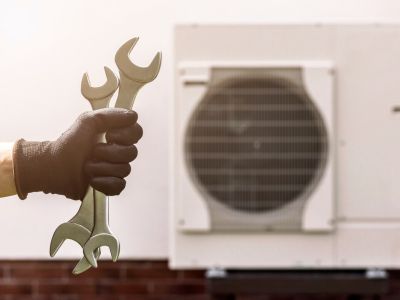
  • Energy Efficiency: Heat pumps use less energy than traditional HVAC systems. By transferring heat, they help lower energy consumption and utility bills. 
  • Dual Functionality: A heat pump serves as a heating and cooling system, eliminating the need for separate units. This simplifies the home’s HVAC setup and saves space.
  • Environmentally Friendly: Heat pumps run on electricity instead of fossil fuels, making them an environmentally friendly option. They contribute to lowering your home’s carbon footprint while ensuring dependable comfort throughout the year.
  • Quiet Operation: Modern heat pumps are designed for quiet performance, creating a serene indoor environment compared to older, noisier traditional HVAC systems.
  • Flexible Installation Options: Heat pumps come in versatile designs, including ducted systems for comprehensive home coverage and ductless systems for specific areas. This flexibility allows them to cater to the unique requirements of different home layouts effectively.

With these benefits, a heat pump system is a smart and sustainable choice for homeowners who want to enhance their homes’ comfort and efficiency.

Symptoms Heat Pump Repairs Are Needed

heat pump Although it would be ideal for heat pumps to operate perfectly all the time, like all home systems, they will occasionally need repairs. Homeowners should be aware of common warning signs that indicate their heat pump may need professional attention:

  • Inconsistent Temperatures: If certain rooms in the home are noticeably warmer or cooler than others, it could indicate the heat pump is struggling to distribute air evenly.
  • Unusual Noises: Noisy sounds such as grinding, squealing, or rattling may indicate mechanical issues within the system that need immediate attention.
  • Higher Energy Bills: A sudden increase in energy costs, without any changes in usage, may be a sign that the heat pump is running inefficiently and needs servicing.
  • Frequent Cycling: If the heat pump turns on and off more frequently than normal, this could indicate an underlying problem affecting its performance.
  • Poor Airflow: Weak or restricted airflow might result from a clogged filter, a damaged blower motor, or other internal issues.

Homeowners who spot any of these warning signs should arrange for repairs without delay. Tackling issues early on can help avoid further damage, prolong the lifespan of the system, and ensure it runs efficiently.

About 1st Choice Heating & Cooling

The expert team at 1st Choice Heating & Cooling comforts homeowners in Waukesha. They are licensed and insured and offer 24-hour services and free estimates on system replacements. Call them today for heat pump repairs and installations in Waukesha, WI.

Making Heating & Cooling Mistakes? Change Them In The New Year

Avoid Bad Habits When Using Your HVAC System

Winter in Waukesha lasts just over three months, from November 30 to March 4. It brings chilly days with average highs below 39°F. January is the coldest month, with temperatures averaging a frosty low of 15°F and a high of just 28°F. As cold temperatures and heavy snowfall occur, homeowners increasingly rely on their HVAC systems to operate efficiently. Yet, heating contractors have observed that property owners often make critical errors when utilizing their furnaces or air conditioners.

For this reason, heating experts in Waukesha, WI, highlight the most frequent HVAC mistakes homeowners tend to make and offer practical solutions to address them.

Replace Air Filters Every 1-3 Months

filterOne of the easiest steps homeowners can take to ensure their HVAC system operates correctly all year is to regularly change the air conditioner filter or furnace filter. Ideally, contractors recommend changing the HVAC filter at least every 1-3 months.
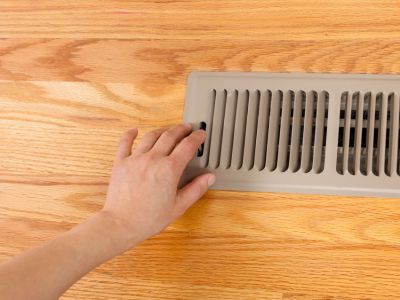
While homeowners might not realize it, the air filter plays a crucial role in their HVAC system. These devices help clean the air in a home by eliminating dust, dirt, and other allergens. A clean filter can remove these particles, and also improve the efficiency of an air conditioner and a furnace. It allows for optimal airflow and consistent temperatures in the house and helps reduce the amount of energy used.

If households have pets or family members suffer from allergies, homeowners should schedule air filter replacements more often. 

Keep Air Vents Open

air vents A common mistake that many homeowners make is closing vents throughout their homes. They often believe that this can help reduce energy costs. However, this misconception is far from the truth. Not only does closing vents not save energy, but it can also lead to damage to the HVAC systems.

Strain on the System

Closing vents force the HVAC system to work harder to circulate air, which places unnecessary stress on the blower motor and ductwork. Over time, this added strain can accelerate wear and tear, leading to expensive repairs or even system breakdowns.

Uneven Heating & Cooling

Blocked vents disrupt the natural airflow, causing uneven heating or cooling throughout the home. This often results in uncomfortable hot and cold spots, making it difficult to maintain consistent indoor temperatures.

Higher Utility Bills

Restricted airflow reduces an HVAC system’s efficiency, causing it to consume more energy to maintain desired temperatures. Instead of saving money, this inefficiency can lead to increased utility costs.

Rather than closing vents, consider installing a smart thermostat. These programmable devices help save energy by allowing households to adjust temperatures according to their daily routines. 

Schedule Annual HVAC Maintenance With a Pro

One of the biggest blunders homeowners can make is overlooking the importance of scheduling regular maintenance for their heating or air conditioning systems. Annual inspections are crucial for ensuring that HVAC systems operate effectively and efficiently. 

Benefits of Regular Heater Maintenance

Scheduling regular tune-ups provides many benefits to homeowners, including:

  • Early Problem Detection: Expert technicians can identify minor problems, like worn components or small leaks before they escalate into costly repairs or major system breakdowns.
  • Improved Efficiency: Well-maintained systems operate more efficiently, consuming less energy and helping lower households’ monthly utility bills.
  • Extended Lifespan: Routine care reduces wear and tear, allowing HVAC systems to last longer and delaying the need for costly replacements.

On the other hand, skipping air conditioning maintenance can result in unexpected breakdowns, decreased performance, and even voided warranties.

When to Schedule HVAC Maintenance

Experts recommend scheduling professional HVAC tune-ups twice a year: once in the spring to prepare for summer cooling demands and again in the fall to ensure reliable heating during the winter. Regular maintenance provides year-round comfort and energy savings and offers homeowners peace of mind, knowing their systems are ready for every season.

About 1st Choice Heating & Cooling

1st Choice Heating & Cooling offers trusted HVAC services in the Waukesha area. Their licensed and insured team is available around the clock to handle any heating or cooling issues. Reach out today for fast and efficient heating system repairs in Waukesha, WI.

How to Save Money on Heating Costs

Reduce Utility Bills While Still Staying Warm

As winter sets in and temperatures drop, homeowners rely on their heaters to keep their homes warm and cozy. However, this comfort often comes with an increase in utility bills.

Fortunately, homeowners don’t have to sacrifice warmth to save on heating costs. With a few smart adjustments and strategies, households can enjoy a comfortable home while decreasing utility expenses. In this post, Waukesha, WI, heating contractors explain tactics homeowners can use to reduce their heating costs. 

Use Ceiling Fans

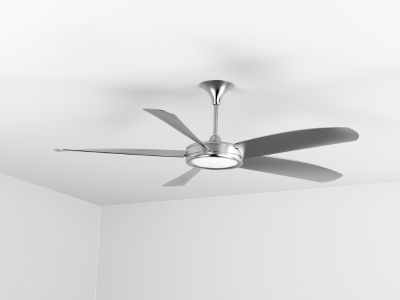
fans An often overlooked method of reducing heating expenses is using ceiling fans to help distribute warm air. While ceiling fans are typically associated with cooling, they can also enhance heating efficiency and comfort in winter if they are used correctly.
Adjusting the fan direction according to the season is essential to optimizing comfort throughout the year. During winter or when running the heater, set the fan to rotate clockwise at a low speed to help circulate warm air effectively. This simple adjustment helps maintain a comfortable temperature, allowing homeowners to lower the thermostat a few degrees without sacrificing home comfort. Making this change can reduce heating costs.

Regular Air Filter Replacement

Regularly changing the air filters is a crucial and effective strategy for reducing heating costs. When furnace filters become dirty or clogged, the heating system has to work harder, which decreases energy efficiency and increases energy consumption. Clean filters are essential for optimal airflow, ensuring the system operates efficiently and uses less energy to maintain a comfortable temperature.

Consistently replacing air filters when needed improves energy efficiency, overall air quality, and the life of your HVAC system. Clean filters enhance indoor air quality by trapping dust, allergens, and pollutants circulating through the home. This is especially important in winter when windows are closed, and indoor air can become stagnant. Filters should typically be changed every 1-3 months. It is an easy way to keep heating costs down and ensure efficient system operation.

Schedule a Smart Thermostat Installation

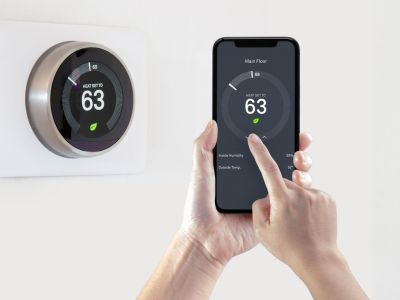
thermostatsmart thermostat is another way to help maximize the system’s efficiency and reduce its energy costs. Unlike traditional thermostats, smart thermostats offer advanced features that make it easy for homeowners to manage energy use and save money while maintaining optimal indoor temperatures for comfort.

One key advantage of a smart thermostat is its ability to learn a household’s heating preferences and schedules to create a heating schedule that prioritizes comfort and savings. For instance, homeowners can program the thermostat to lower the temperature while asleep or away and warm up the house before they return. Many smart thermostat models have remote control capabilities through mobile applications, enabling users to make adjustments from any location with Wi-Fi.

Some smart thermostats feature sensors to adjust temperatures based on occupancy and weather conditions. By minimizing unnecessary heating, they help lower energy consumption and utility costs. Although a smart thermostat may require an initial investment, the energy savings over time can make it a worthwhile addition to any home.

About 1st Choice Heating & Cooling

1st Choice Heating & Cooling experts provide quality HVAC services to the Waukesha area. They offer 24-hour services and free estimates and are licensed and insured. Call them today for heating services in Waukesha, WI.

Distribution Links +

The HVAC Industry’s Transition to A2L Refrigerants: What You Need to Know

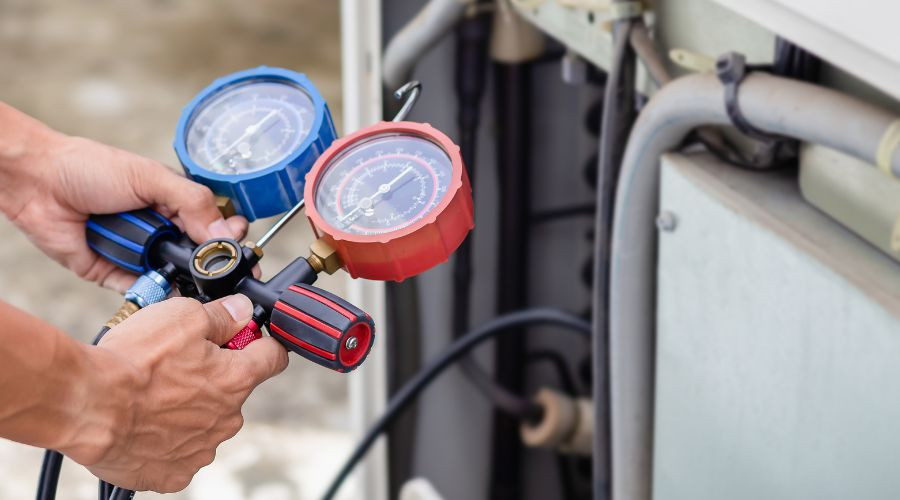
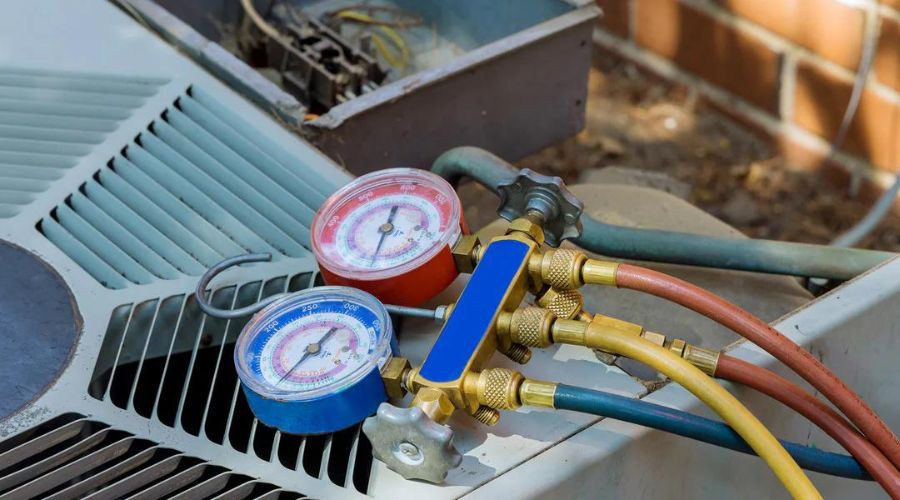
ac unit with pressure gauges

As the world intensifies efforts to combat climate change, the HVAC industry is undergoing a significant transformation. Central to this change is the shift from high Global Warming Potential (GWP) refrigerants to more environmentally friendly alternatives known as A2L refrigerants. This article outlines the key aspects of this transition, including important dates, the specific refrigerants involved, the implications for safety and regulations, and the expected impact on equipment costs.

Why the Shift to A2L Refrigerants?

Hydrofluorocarbon (HFC) refrigerants, commonly used in air conditioning and refrigeration systems, have been identified as potent greenhouse gases. Their high GWP contributes significantly to global warming. To address this issue, the Environmental Protection Agency (EPA) has mandated a phasedown in the production and consumption of HFC refrigerants.

A2L refrigerants offer a lower GWP compared to traditional HFCs. By transitioning to these alternatives, the HVAC industry aims to reduce its environmental impact while maintaining system efficiency.

Key Transition Dates

  • January 1, 2025: The EPA has set this date as the deadline for all new residential and light commercial air conditioners and heat pumps to use A2L refrigerants. This means that any new equipment manufactured after this date must comply with the new standards.

The Role of R-454B and R-32

R-454B (Puron Advance)

  • What is it? R-454B, commercially known as Puron Advance, is the A2L refrigerant that most companies have chosen as the replacement for the current standard, R-410A (Puron).
  • Why R-454B? It offers a significant reduction in GWP while providing similar performance characteristics to R-410A. This makes the transition smoother for manufacturers and service technicians.

R-32

  • What is it? R-32 is another A2L refrigerant gaining popularity in the industry.
  • Why R-32? It has a lower GWP than R-410A and offers high energy efficiency. Some manufacturers may opt for R-32 based on its favorable thermodynamic properties.

Implications of the Transition

Phasedown of High-GWP HFCs

The production of high-GWP HFC refrigerants will decrease, leading to reduced availability and potentially higher costs for these substances. This encourages the adoption of A2L refrigerants.

Increased Equipment Costs

One significant impact of the transition is the expected increase in equipment prices—up to 30% in some cases. This cost hike is primarily due to the need for Release Detection Systems (RDS) in new HVAC units. These systems are essential for detecting refrigerant leaks promptly, addressing the increased flammability risks associated with A2L refrigerants.

  • Why RDS? Given the mild flammability of A2L refrigerants, early detection of leaks is crucial to prevent potential safety hazards.
  • Cost Implications: The integration of RDS technology into HVAC systems involves additional components and more complex system designs, contributing to higher manufacturing costs that are passed on to consumers.

Retrofit Requirements

In addition to new installations, RDS will need to be added to existing systems that lack them if only the air conditioner or heat pump is being replaced. This means that even if the rest of the HVAC system remains unchanged, the new A2L-compliant equipment must be integrated with an RDS to ensure safety compliance.

  • Impact on Replacement Projects: Homeowners and businesses planning to replace their air conditioners or heat pumps should be aware that additional modifications may be necessary, potentially increasing the overall project cost.
  • Installation Considerations: Technicians will need to assess existing systems and install RDS where absent, ensuring compatibility and compliance with safety regulations.

New Regulations

The transition comes with updated regulations to ensure safety and compliance. Technicians and companies must stay informed about:

  • Building Codes: Adjustments to accommodate the safe use of mildly flammable refrigerants.
  • Safety Standards: Compliance with standards like UL 60335-2-40 for equipment design and operation.

Leak Mitigation Strategies

Due to their mild flammability, A2L refrigerants require careful leak detection and mitigation:

  • System Design: Enhanced to minimize leak potential.
  • Maintenance Protocols: Regular checks and prompt repairs are crucial.
  • Release Detection Systems (RDS): Mandatory installation in new equipment and required additions to existing systems lacking RDS during equipment replacement.

“Risk of Fire” Labels

All A2L refrigerant line sets will feature “Risk of Fire” labels to alert technicians and users about the mild flammability risks. Proper training in handling and storage is essential.

Safety Considerations

While A2L refrigerants like R-454B and R-32 are mildly flammable, they pose a lower flammability risk compared to substances like propane or natural gas. Safety measures include:

  • Proper Handling Techniques: Training for technicians on safe storage, transportation, and usage.
  • Ventilation Requirements: Ensuring adequate airflow in areas where refrigerants are used or stored.
  • Emergency Procedures: Clear protocols in case of leaks or exposure.
  • Release Detection Systems (RDS): Essential for early detection of leaks, minimizing the risk of ignition.

Preparing for the Transition

For Consumers

  • Anticipate Higher Costs: Be prepared for an increase in HVAC equipment prices due to the integration of RDS and other safety features, especially when replacing components in existing systems.
  • System Assessment: Before replacing an air conditioner or heat pump, have a professional evaluate your existing system to determine if additional modifications are needed.
  • Long-Term Savings: Despite higher upfront costs, A2L refrigerants offer improved energy efficiency, which can lead to savings on energy bills over time.
  • Environmental Impact: Using equipment with A2L refrigerants contributes to reducing greenhouse gas emissions.

For Technicians and Contractors

  • Training: Invest in training programs to become proficient in handling A2L refrigerants and understanding the operation of RDS.
  • Compliance: Stay updated on the latest regulations and safety standards to ensure all installations meet legal requirements.
  • System Integration: Develop expertise in retrofitting existing systems with RDS during equipment replacements.
  • Customer Education: Help clients understand the benefits and implications of the transition, including cost considerations and safety measures.

Conclusion

The shift to A2L refrigerants represents a significant step in reducing the HVAC industry’s environmental footprint. By embracing refrigerants like R-454B (Puron Advance) and R-32, the industry moves toward more sustainable practices without compromising performance. However, this transition comes with challenges, including increased equipment costs due to the mandatory installation of Release Detection Systems, even in existing systems when replacing components like air conditioners or heat pumps. As the January 1, 2025, deadline approaches, staying informed and prepared is crucial for a smooth and safe transition.

Distribution Links +

When to Install a New Heating System

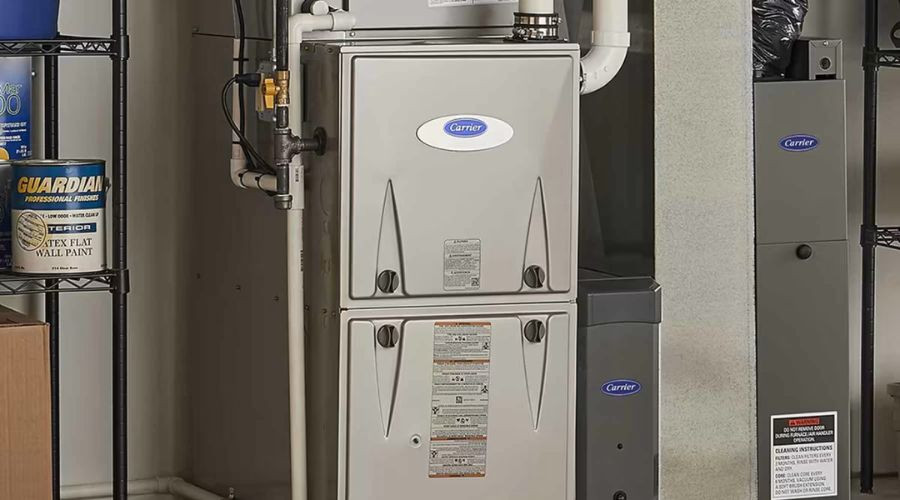
heating system installation

Stay Warm and Cozy This Winter With a New Heater Installation

A reliable heating system is essential to keep Waukesha households comfortable as the weather cools down. If a home’s heater shows signs of aging and wear and tear, it might be time for a replacement.

Heating contractors recommend that homeowners watch for signs that can indicate they need a heater replacement. This post will share some of these common signs that indicate it may be time to get a new heater installed.

Old Age or Requiring Frequent Repairs

A heater nearing the end of its life expectancy or a heater that requires frequent repairs indicates that it needs to be replaced. A furnace typically lasts about 15 to 20 years, so it may be time for a furnace replacement when it nears that age.

The need for ongoing heater or furnace repair also means it likely needs replacing, as frequent problems and repairs can cause problems such as high repair costs, inconsistent heating performance, safety concerns, and inconvenience. So, if homeowners are constantly scheduling repairs for their heating system, investing in a new heater or furnace installation may be more cost-effective and efficient.

Higher Heating Costs

increased utility billsAnother sign that a heater or furnace replacement is needed is an unexpected rise in utility bills. When utility bills increase, it can be due to inefficient operation of the heater, which can be due to a lack of maintenance, problems, or old age.

So, if homeowners notice a significant increase in their heating bills, they should have their heating system inspected by a professional. A heating technician will be able to determine the cause of the heating system’s inefficiency and whether it needs heating maintenance, repair, or if it needs to be replaced.

An Uncomfortable or Cold House

the home is uncomfortableAn uncomfortable and cold home can also indicate that a home’s heating system requires attention. Whether there are hot or cold spots throughout the home causing uneven heating or a complete lack of heating, it indicates problems with the heating system.

Households shouldn’t have to endure an uncomfortable home. They should contact a heating contractor for a professional evaluation to determine the cause of the heating problems, allowing them to determine whether the best solution is heater repair or replacement.

About 1st Choice Heating & Cooling

1st Choice Heating & Cooling is a trusted heating and air conditioning company serving the Greater Milwaukee area. They provide 24/7 emergency services and straightforward pricing. Call them for heater replacement and installation services in Waukesha, WI.